
The History and Origin of Nuru Massage in Japan
Nuru massage is a unique and deeply sensual form of bodywork that has captured the attention of wellness seekers and spa enthusiasts around the world. At its core, Nuru massage is a Japanese tradition that combines the use of a special seaweed-based gel with full-body contact to create an experience unlike any other. The word “Nuru” itself means “slippery” in Japanese, a fitting description for the smooth, gliding movements that define this technique. While Nuru massage is often associated with sensuality and intimacy, its roots are deeply embedded in Japan’s long-standing appreciation for healing touch, relaxation, and the therapeutic power of skin-to-skin contact.
WELLNESSWELLNESS TIPSMANILA LIFESTYLEFILIPINO MASSAGESPA GUIDE
Manila Wellness Team
11/26/20256 min read
The History and Origin of Nuru Massage in Japan
Nuru massage is a unique and deeply sensual form of bodywork that has captured the attention of wellness seekers and spa enthusiasts around the world. At its core, Nuru massage is a Japanese tradition that combines the use of a special seaweed-based gel with full-body contact to create an experience unlike any other. The word “Nuru” itself means “slippery” in Japanese, a fitting description for the smooth, gliding movements that define this technique. While Nuru massage is often associated with sensuality and intimacy, its roots are deeply embedded in Japan’s long-standing appreciation for healing touch, relaxation, and the therapeutic power of skin-to-skin contact.
For those curious about the origins of Nuru massage, the story begins in Japan’s bathhouse culture, where the practice of using natural gels and oils for bodywork has been a part of daily life for centuries. Over time, Nuru massage evolved from a simple bathing ritual into a sophisticated form of massage that emphasizes comfort, connection, and holistic well-being. Today, Nuru massage is practiced in spas and wellness centers across the globe, including in the Philippines, where it has become a popular choice for those seeking a truly immersive and rejuvenating experience.
The Japanese Roots of Nuru Massage
Nuru massage traces its origins back to Japan, where the tradition of using natural gels and oils for bodywork has been a part of daily life for centuries. The practice is believed to have started in Japan’s small public bathhouses, known as sento, where healing touch and natural plant-based gels were a huge element of self-care. These bathhouses were not just places for physical cleansing but also for relaxation, socializing, and emotional well-being.
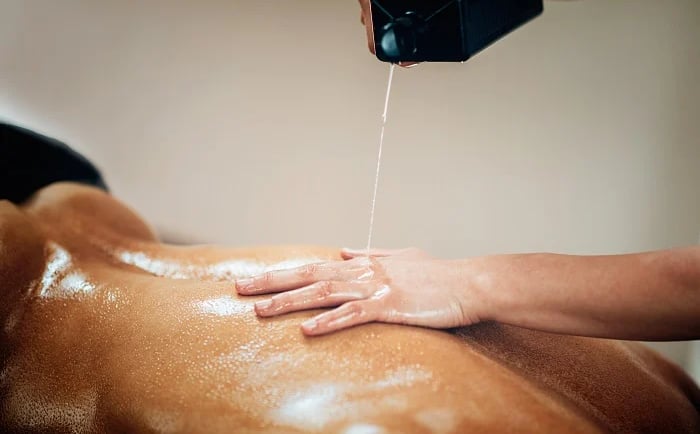
The use of seaweed-based gels in Japanese bathhouses dates back to ancient times, when seaweed was prized for its skin-enhancing properties. Seaweed, particularly nori, was known for its ability to keep the skin supple and hydrated, making it an ideal ingredient for bodywork. The gel used in Nuru massage is derived from nori seaweed, which is blended with water to create a slick, clear formula that allows for easy movement and a smooth, gliding sensation between the practitioner and the client.
Over time, the practice of using seaweed-based gels in bathhouses evolved into a more structured form of massage, with the focus shifting from simple cleansing to therapeutic touch. The technique of full-body contact, which is central to Nuru massage, was developed as a way to promote relaxation, reduce stress, and enhance emotional well-being. The use of the entire body, rather than just the hands, allowed for a more holistic and immersive experience, one that could address both physical and emotional needs.
The Evolution of Nuru Massage
As Nuru massage gained popularity in Japan, it began to spread beyond the bathhouses and into the world of professional massage therapy. The technique was refined and adapted to meet the needs of a changing society, with new methods and approaches being developed to enhance the therapeutic benefits of the practice. The use of the seaweed-based gel remained a constant, but the focus shifted from simple relaxation to a more comprehensive approach to wellness.
One of the key developments in the evolution of Nuru massage was the introduction of the “body slide” technique, where the practitioner uses their entire body to glide over the client’s body. This technique, which is now a hallmark of Nuru massage, allows for a deeper level of relaxation and a more intimate connection between the practitioner and the client. The use of the entire body also enables the practitioner to access areas that are difficult to reach with traditional massage techniques, such as the back, shoulders, and hips.
Another important development in the evolution of Nuru massage was the emphasis on communication and trust between the practitioner and the client. The practice of Nuru massage is built on the foundation of mutual respect and understanding, with the practitioner and the client working together to create a safe and comfortable environment. This emphasis on communication and trust has helped to establish Nuru massage as a legitimate and respected form of bodywork, one that is valued for its ability to promote both physical and emotional well-being.
The Cultural Significance of Nuru Massage
Nuru massage is more than just a form of bodywork; it is a reflection of Japan’s deep respect for the healing power of touch and the importance of self-care. In Japanese culture, the practice of intentional touch and bodywork has long been recognized as a way to promote relaxation, reduce stress, and enhance emotional well-being. The use of natural gels and oils in bathhouses and spas is a testament to the country’s commitment to holistic wellness and the belief that the body and mind are interconnected.
The cultural significance of Nuru massage is also evident in the way it is practiced. The technique is designed to create a sense of intimacy and connection between the practitioner and the client, with the use of full-body contact and the seaweed-based gel serving as a bridge between the two. This sense of intimacy is not just physical but also emotional, as the practice of Nuru massage encourages the client to let go of their worries and embrace a state of deep relaxation.
In Japan, Nuru massage is often seen as a form of self-care, a way for individuals to take time for themselves and focus on their own well-being. The practice is also valued for its ability to promote emotional healing, particularly for those who have experienced adversity or trauma. The gentle, consistent contact of Nuru massage can help to release stored tension and create a sense of safety and security, allowing the client to feel more present and grounded.
The Global Spread of Nuru Massage
As Nuru massage gained popularity in Japan, it began to spread to other parts of the world, including the Philippines, where it has become a popular choice for those seeking a truly immersive and rejuvenating experience. The practice of Nuru massage in the Philippines is similar to that in Japan, with the focus on relaxation, comfort, and holistic well-being. However, there are some differences in the way the technique is practiced, with Filipino practitioners often incorporating elements of traditional Filipino massage into their sessions.
The global spread of Nuru massage has also led to the development of new techniques and approaches, with practitioners around the world adapting the practice to meet the needs of their clients. For example, some practitioners have developed specialized Nuru massage techniques for athletes, using the technique to help reduce muscle tension and promote recovery. Others have focused on the emotional benefits of Nuru massage, using the practice to help clients manage stress, anxiety, and other emotional challenges.
Despite these variations, the core principles of Nuru massage remain the same, with the emphasis on relaxation, comfort, and holistic well-being. The use of the seaweed-based gel and the technique of full-body contact continue to be central to the practice, ensuring that Nuru massage remains a unique and deeply sensual form of bodywork.
The Benefits of Nuru Massage
Nuru massage offers a wide range of benefits, both physical and emotional. The use of the seaweed-based gel and the technique of full-body contact can help to promote relaxation, reduce stress, and enhance emotional well-being. The gentle, consistent contact of Nuru massage can also help to release stored tension and create a sense of safety and security, allowing the client to feel more present and grounded.
One of the key benefits of Nuru massage is its ability to promote relaxation. The smooth, gliding movements of the technique can help to calm the nervous system and create a deep state of relaxation, making it an ideal choice for those who are feeling stressed or anxious. The use of the entire body, rather than just the hands, allows for a more holistic and immersive experience, one that can address both physical and emotional needs.
Nuru massage is also known for its ability to reduce muscle tension and promote recovery. The technique of full-body contact can help to access areas that are difficult to reach with traditional massage techniques, such as the back, shoulders, and hips. The use of the seaweed-based gel can also help to keep the skin supple and hydrated, making it an ideal choice for those who are looking to improve their skin health.
In addition to its physical benefits, Nuru massage is also valued for its emotional benefits. The practice of Nuru massage encourages the client to let go of their worries and embrace a state of deep relaxation. The sense of intimacy and connection that is created during a Nuru massage session can also help to promote emotional healing, particularly for those who have experienced adversity or trauma.
Experiencing Nuru Massage in the Philippines
For those interested in experiencing Nuru massage in the Philippines, there are a number of reputable spas and wellness centers that offer this unique form of bodywork. The practice of Nuru massage in the Philippines is similar to that in Japan, with the focus on relaxation, comfort, and holistic well-being. However, there are some differences in the way the technique is practiced, with Filipino practitioners often incorporating elements of traditional Filipino massage into their sessions.
When choosing a Nuru massage spa in the Philippines, it is important to look for a reputable establishment that prioritizes safety, hygiene, and professionalism. The use of fresh, skin-safe gel and the emphasis on communication and trust are key elements of a high-quality Nuru massage experience. It is also important to communicate your comfort levels and expectations clearly, as this will help to ensure that you get the most out of your session.
Nuru massage is a unique and deeply sensual form of bodywork that offers a wide range of benefits, both physical and emotional. Whether you are looking to relax, reduce stress, or simply try something new, Nuru massage is an excellent choice. For those interested in experiencing Nuru massage in the Philippines, there are a number of reputable spas and wellness centers that offer this unique form of bodywork. To learn more about Nuru massage and to book a session, visit https://manilanurumassage.com.
Contact
Reach out for bookings or questions
Phone
+63 9327781648